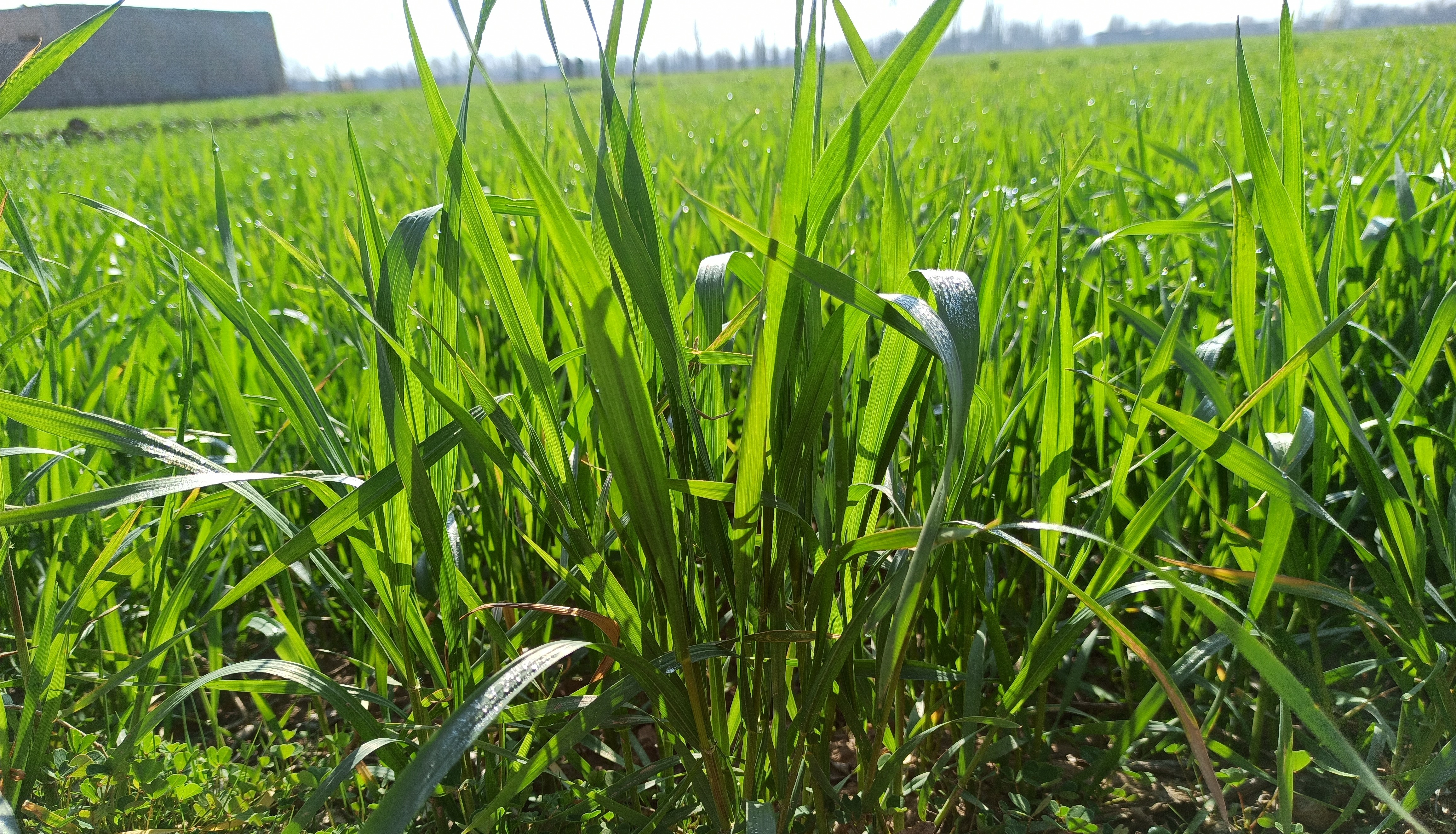
Nearly 80% of Afghanistan’s population lives in rural areas and depends heavily on livelihoods in the agriculture sector, which, in turn, depends on agricultural production. Agricultural education of modern technique is essential for fulfilling basic human and animal needs, such as food, fodder, fiber, and energy, while ensuring long-term stewardship of natural resources and the environment.
Agricultural development in Afghanistan depends on agricultural education and applying of modern techniques, at the national and international levels. Such techniques are implemented by agricultural specialists and expert farmers.
Agricultural modern techniques can have an important effect on the sustainable development of the agriculture sector, the agricultural development also requires a focus on sustainable agriculture in the curriculum, education and training are widely recognized as contributors to national economic growth.
More focus is required in the two objectives to achieve the sustainable goal in agriculture sector in Afghanistan are;
>> to provide updated information on agricultural progress from around the world to Afghan farmers.
>> To provide essential training in agricultural technology, sustainable cultivation practices, post-harvest handling, irrigation, fertilizer management, biodiversity conservation, soil health, dealing with biotic and abiotic stresses, and climate change and its effect on agriculture production.
Furthermore, lack of access to agricultural inputs is a major challenge among farmers in Afghanistan. Certified seeds and fertilizers are two important inputs that have not been reliably available on the market. In addition, for many farmers, sales from agricultural products cannot cover the cost of inputs. This situation suggests that Afghan farmers would benefit from training in the efficient use of agricultural inputs.
Copyright © 2025 All rights reserved